
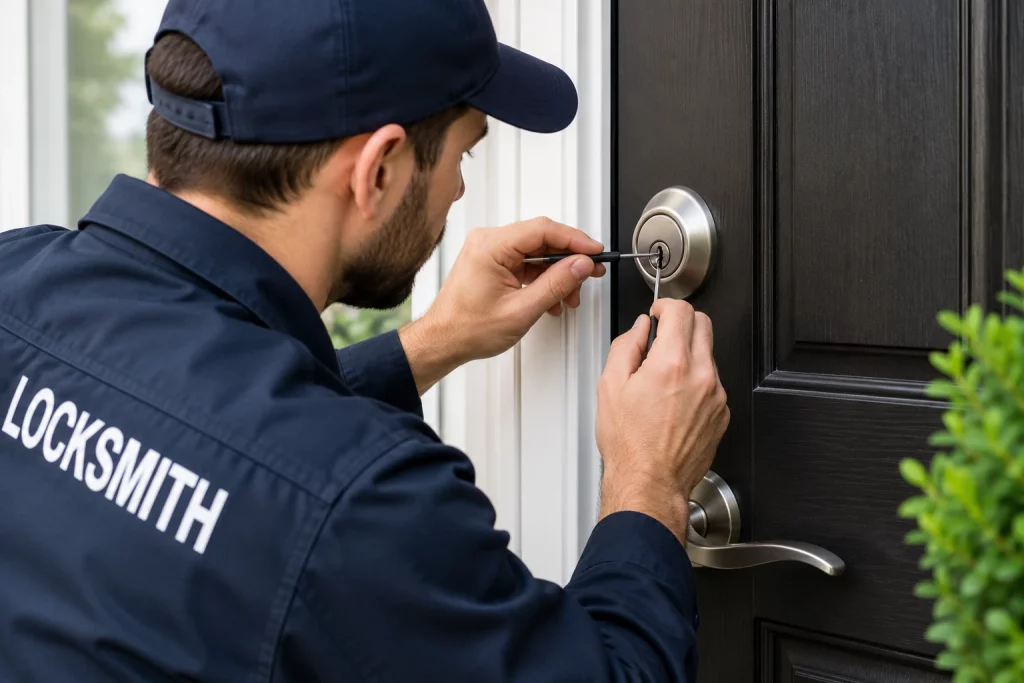
Getting locked out of your home, office, or another property can be stressful. When you cannot get inside, your first thought may be to force the door open. However, kicking, pushing, or using sharp tools can damage the door, frame, or locking mechanism and may turn a simple lockout into an expensive repair.
Professional locksmiths use specialized knowledge and tools to open many locked doors while minimizing damage. The exact method depends on the type of lock, the condition of the door, and the reason it is locked.
Why Should You Avoid Forcing a Locked Door?
When people are locked out, they may try to solve the problem themselves. Unfortunately, force is rarely the best approach.
Trying to break or pry open a door can:
- Damage the door frame
- Break the locking mechanism
- Scratch or dent the door
- Damage weather stripping
- Create additional security problems
- Increase repair costs
A professional locksmith first examines the lock and chooses an appropriate method rather than immediately using force.
Lock Inspection Comes First
Before attempting to open the door, a locksmith normally identifies what type of lock is installed.
The inspection may include checking:
- The lock type and design
- Whether the key is available
- Whether the key is broken or lost
- Whether the lock is damaged
- Whether the door is simply locked or the mechanism has failed
- The condition of the door and frame
This assessment helps determine the least invasive way to regain access.
Using Non-Destructive Entry Methods
One of the main goals of a professional locksmith is to use a non-destructive entry method whenever possible. These techniques are designed to manipulate the lock rather than break it.
Depending on the lock, a locksmith may use specialized tools to manipulate the internal components and release the locking mechanism.
The specific technique varies because not every lock works the same way. A method suitable for a traditional residential lock may not work on a modern high-security system.
Lock Picking and Professional Tools
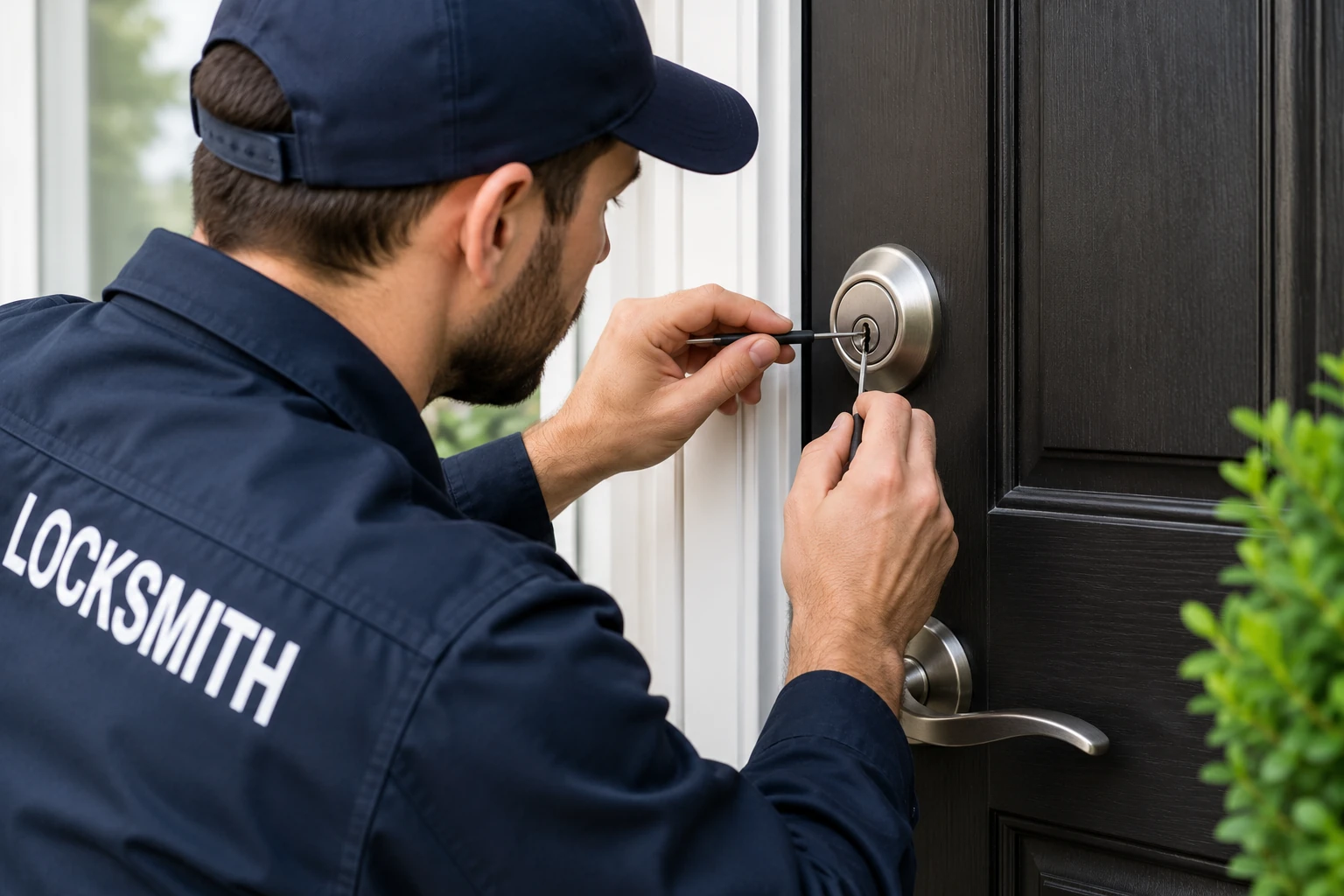
Lock picking is one technique that may be used on certain traditional locks. Professional locksmiths use specialized tools and their understanding of how locking mechanisms operate to manipulate the components inside the cylinder.
This does not mean every lock can simply be picked. Modern locks may include additional security features that make manipulation more difficult.
A trained locksmith knows how to assess the lock and determine whether this approach is appropriate.
Key-Based Entry
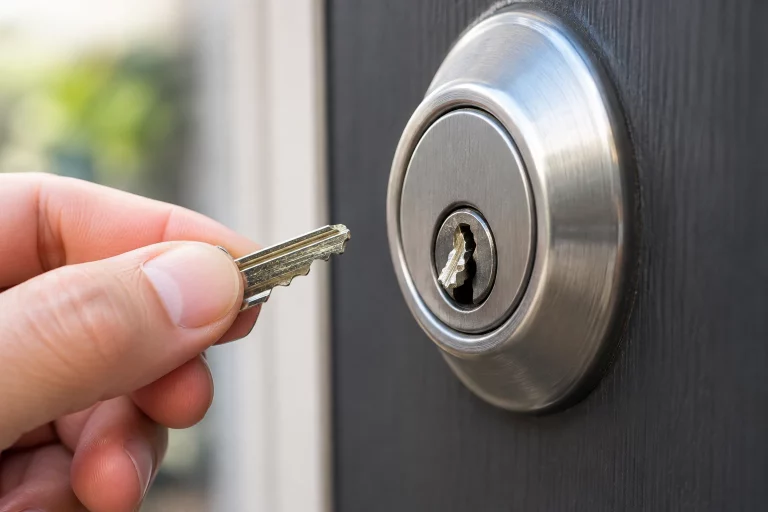
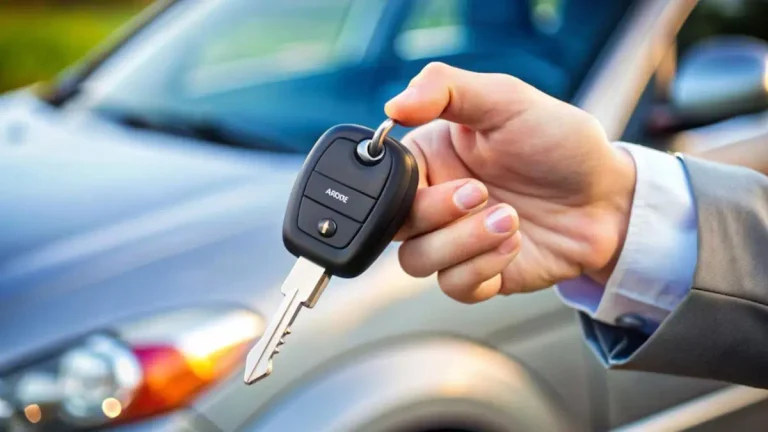
If a spare key is available, the simplest solution may be to use it. In some situations, a locksmith may also be able to create or provide a replacement key depending on the type of lock.
For homeowners, keeping a spare key in a secure and trusted location can prevent unnecessary lockout situations.
However, if the original key has been lost or stolen, replacing or rekeying the lock may be recommended after access has been restored.
What If the Lock Is Damaged?
Not every lockout is caused by a forgotten or lost key. Sometimes the lock itself has stopped working.
A lock may become difficult to operate because of:
- Internal wear
- Rust or corrosion
- A damaged cylinder
- A broken key
- Misalignment between the door and frame
- General age and repeated use
In these situations, a locksmith may need to repair or replace part of the locking system. The goal is still to avoid unnecessary damage to the door itself.
Can Every Door Be Opened Without Damage?
There is no guarantee that every locked door can be opened without any damage.
Some locks may be severely damaged, jammed, or designed with advanced security features. In certain cases, destructive entry may eventually become necessary.
However, a professional locksmith generally considers less invasive options first. If drilling, lock replacement, or another more involved procedure is necessary, the locksmith can explain why before proceeding.
Why Professional Experience Matters
Opening a locked door is not simply about having a collection of tools. Understanding different locking systems and knowing how to work carefully are equally important.
An experienced locksmith can:
- Identify the type of locking system
- Assess the condition of the door
- Select an appropriate entry method
- Minimize unnecessary damage
- Explain repair or replacement options
- Help restore the lock after entry
This can save both time and money compared with attempting to force the door open yourself.
How to Reduce the Risk of Future Lockouts
Preventing a lockout is easier than dealing with one after it happens. A few simple habits can make a difference.
- Keep a spare key in a secure location.
- Replace keys that are bent or heavily worn.
- Have difficult locks inspected before they fail.
- Avoid forcing a key that does not turn smoothly.
- Consider upgrading old or unreliable locks.
- Make sure everyone who needs access has a reliable entry plan.
Regularly checking your locks can help identify problems before they become emergencies.
Final Thoughts
A locked door does not necessarily mean the door or lock needs to be damaged. Professional locksmiths can often use specialized techniques to regain access while protecting the door, frame, and locking hardware.
The right approach depends on the lock and the circumstances surrounding the lockout. Rather than forcing the door or experimenting with unsuitable tools, getting professional assistance can help reduce the risk of unnecessary damage.
Whether the issue involves a residential door, commercial property, or another locking system, a qualified locksmith can assess the situation and recommend the safest practical solution.
Need Help With a Locked Door?
If you are locked out or dealing with a malfunctioning lock, FNF Lockout can help you find a practical solution for your residential, commercial, or automotive locksmith needs. Professional assistance can make the process faster, safer, and less likely to result in unnecessary damage.