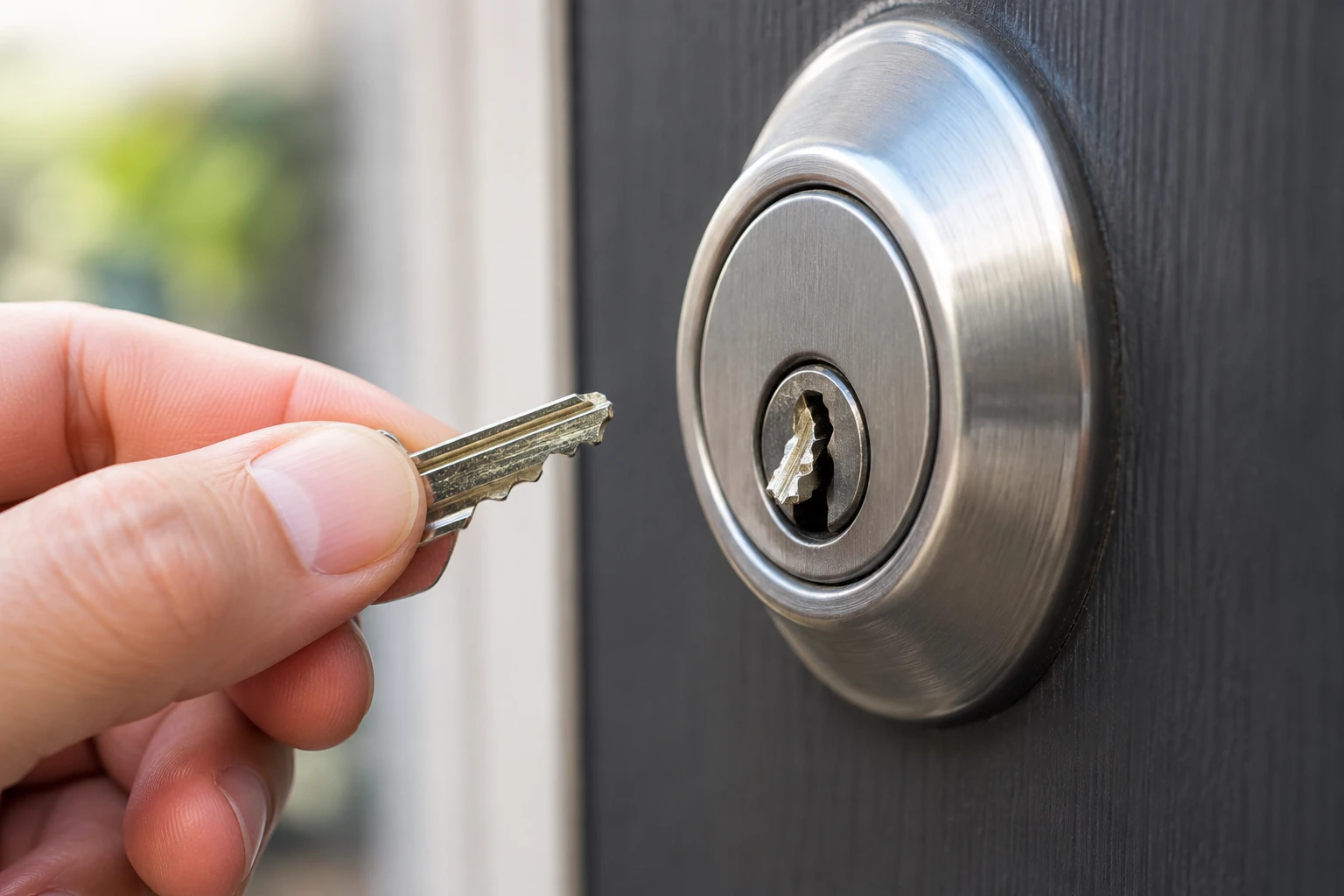

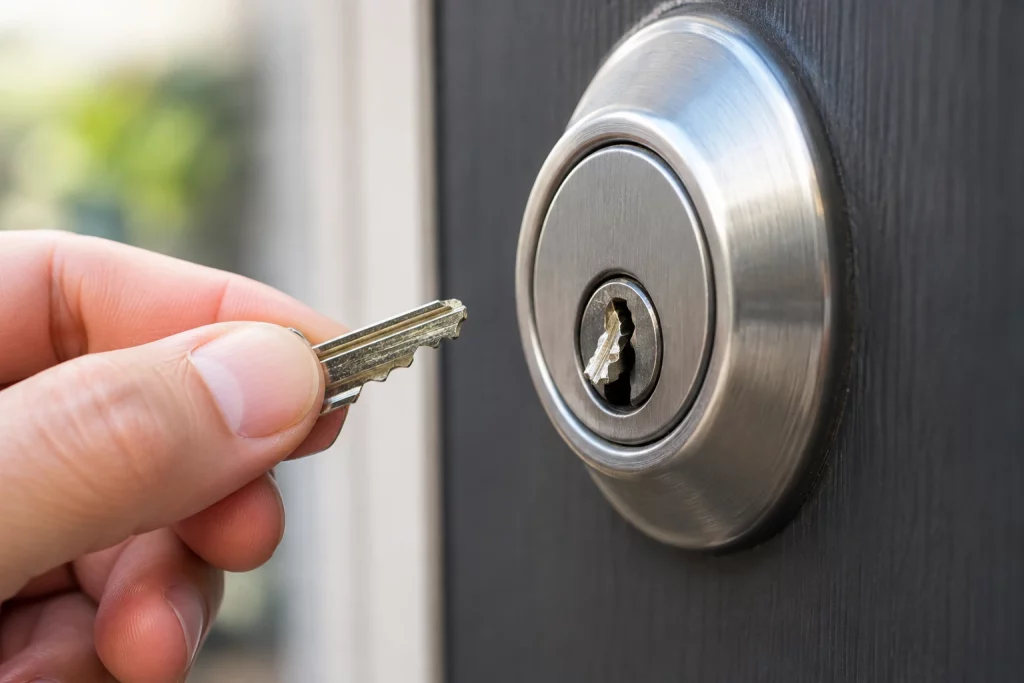
A key breaking inside a lock can turn a normal day into a frustrating situation within seconds. It can happen while unlocking your front door, opening a storage room, or even using an older lock that has become difficult to turn. The good news is that a broken key does not always mean you need to replace the entire lock.
Knowing what to do—and what to avoid—can help prevent further damage and make the situation easier to resolve.
Stay Calm and Avoid Forcing the Lock
The first thing to do when a key breaks inside a lock is to stay calm. Trying to force the remaining piece deeper into the lock can make the problem worse.
Do not keep turning the broken piece with another object or attempt to push it further into the cylinder. Excessive force may damage the internal components of the lock and make key extraction more difficult.
Instead, take a moment to examine the situation. If part of the key is still visible, there may be a safe way to remove it.
Check How Much of the Key Is Visible
Look closely at the lock to determine whether any part of the broken key is sticking out.
If a small section is visible, you may be able to grip it carefully with a pair of needle-nose pliers. Pull the key straight outward rather than twisting it from side to side.
Keep these points in mind:
- Make sure the lock is not being turned while you pull.
- Use gentle, steady pressure.
- Avoid pushing the key farther into the lock.
- Stop if the key does not move easily.
If the broken piece is completely inside the lock, trying random tools can cause additional damage.
Do Not Use Glue to Remove the Broken Key
One common mistake is using glue to attach the broken key to another object and pulling it out. Although this may sound like a clever solution, it can easily make the situation worse.
Glue can enter the lock mechanism and cause internal components to stick together. Removing hardened adhesive from a lock can be much more difficult than removing the original broken key.
For this reason, avoid using super glue or similar adhesives when dealing with a broken key.
Consider the Condition of the Lock
A broken key can sometimes be a warning that the lock itself needs attention.
Keys may break because of:
- An old or worn-out key
- A damaged or poorly cut duplicate
- Rust or corrosion inside the lock
- Dirt and debris inside the cylinder
- A lock that has become difficult to turn
- Excessive pressure being applied while unlocking
If the lock has been difficult to use for some time, simply removing the broken key may not solve the underlying problem.
When Should You Call a Locksmith?
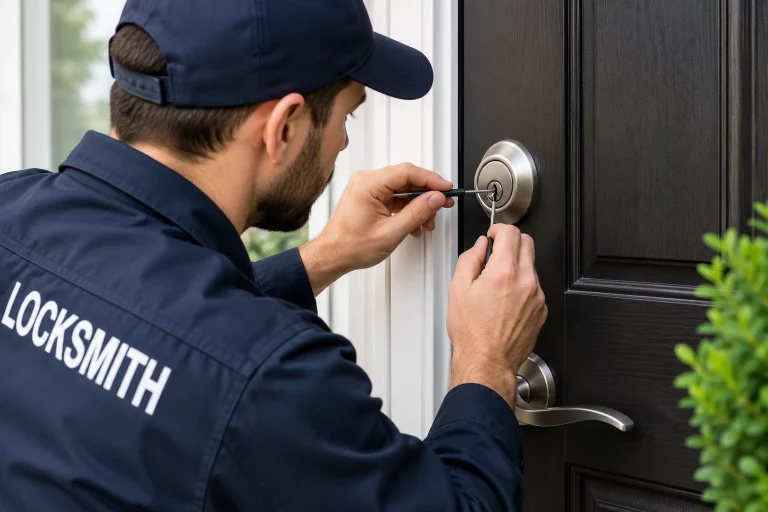
If the broken key cannot be removed easily, contacting a professional locksmith is often the safest option. A locksmith has specialized tools designed to extract broken keys while minimizing the risk of damaging the lock.
Professional help is particularly useful when:
- The entire key has broken inside the lock.
- The lock is damaged or difficult to turn.
- The key broke while the door was locked.
- You cannot safely access your property.
- You have already tried to remove the key and it has moved deeper inside.
- The lock is part of a vehicle or security system.
Trying multiple DIY methods without knowing how the lock works can turn a simple key extraction into a more expensive repair.
What Happens During Professional Key Extraction?
A locksmith will normally inspect the lock before deciding how to remove the broken key. Depending on the type of lock and position of the key, specialized extraction tools may be used.
The goal is generally to remove the broken piece without unnecessarily damaging the lock. After extraction, the locksmith can also check whether the lock is still functioning properly.
If the lock has significant wear or damage, replacement or repair may be recommended.
How to Prevent a Key From Breaking
Although no key lasts forever, a few simple habits can reduce the chances of experiencing this problem.
- Replace keys that are visibly bent, cracked, or badly worn.
- Avoid using excessive force when turning a key.
- Keep keys clean and free from heavy dirt.
- Do not use damaged duplicate keys.
- Have difficult-to-turn locks inspected.
- Keep a spare key in a safe and accessible location.
- Address loose or malfunctioning locks before they become an emergency.
Paying attention to small warning signs can prevent a broken key from becoming a larger problem.
Final Thoughts
A key breaking inside a lock can be stressful, but rushing the situation can cause more damage. Start by assessing how much of the key is visible and avoid forcing, gluing, or pushing the broken piece deeper into the lock.
If the key cannot be removed safely, professional assistance is usually the better choice. A qualified locksmith can assess the lock, extract the broken key, and determine whether the lock needs repair or replacement.
Taking care of worn keys and malfunctioning locks early can also help you avoid unexpected lock and key emergencies in the future.
Need Help With a Broken Key or Lockout?
If you are dealing with a broken key, damaged lock, or unexpected lockout, professional locksmith assistance can help you get the situation resolved safely and efficiently. FNF Lockout provides locksmith solutions for residential, commercial, and automotive needs. Contact the team when you need dependable help with your lock and key problem.